
Oesophageal Cancer – Don’t Ignore Ongoing Swallowing or Heartburn Problems
Most of us have had heartburn, indigestion, or trouble swallowing at some point. Often, these symptoms settle on their own. But when they don’t go away, or start to feel different, they need checking.
February is Oesophageal Cancer Awareness Month, a time to highlight the importance of spotting symptoms early. Oesophageal cancer affects the oesophagus, or food pipe – the tube that carries food and drink from your mouth down into your stomach. It can make it harder for food and drink to pass through properly.
Many people in the UK are diagnosed as an emergency, often because early symptoms are easy to ignore or put down to heartburn or indigestion. By the time symptoms become severe, treatment can be more difficult. That’s why noticing changes early and speaking to your GP can make a real difference.
What Is Oesophageal Cancer?
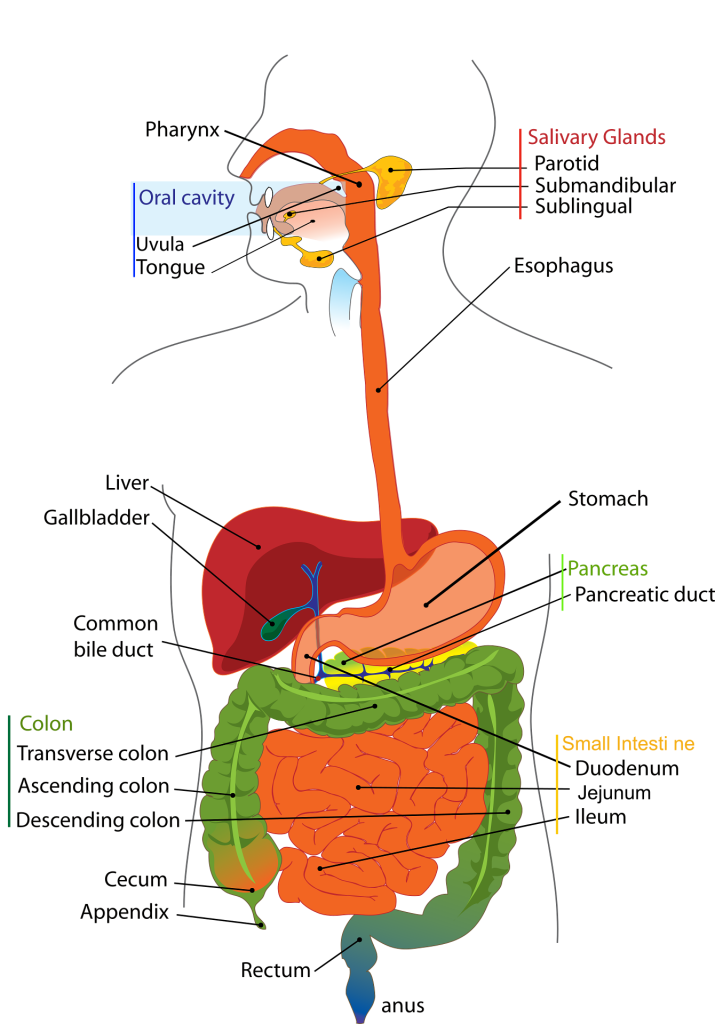
Oesophageal cancer starts in the lining of the food pipe. As it grows, it can make the tube narrower. This can cause problems with swallowing, eating, and drinking.
Around 9,000 people are diagnosed with oesophageal cancer in the UK each year. It is more common in older adults, but it can affect people of any age.
Early symptoms can be easy to miss or ignore, which is why many people are diagnosed late.
Why Is It Often Diagnosed as an Emergency?
Oesophageal cancer symptoms often develop slowly. People may:
- put symptoms down to indigestion or ageing
- change what they eat instead of seeking help
- wait until swallowing becomes very difficult
By the time someone struggles to eat or loses weight, the cancer may already be advanced. This leads to a high number of emergency hospital diagnoses.
Seeing a GP early, even if symptoms feel mild, can help avoid this.
Symptoms to Look Out For
Please contact your GP if you notice any of the following symptoms, especially if they last more than a few weeks or are getting worse:
- Difficulty swallowing, especially solid foods like bread or meat
- Pain or discomfort when swallowing or behind the breastbone
- Ongoing heartburn or acid reflux that does not improve
- Unexplained weight loss
- Feeling sick or being sick, particularly after eating
- Coughing or choking when eating or drinking
- Extreme tiredness, which may be linked to low iron levels
These symptoms are common and often caused by less serious conditions. But they should always be checked.
What Will Your GP Do?
Your GP will listen to your symptoms and may examine you. If needed, they can refer you for tests, such as an endoscopy, which looks inside the food pipe using a small camera.
Being referred does not mean you have cancer. It means your symptoms need checking properly.
When to Seek Urgent Help
Seek urgent medical advice if you:
- vomit blood
- cough up blood
- suddenly cannot swallow at all
- have severe chest pain that is new or worrying
If you are unsure, contact NHS 111 for advice.
Who Is More at Risk?
Oesophageal cancer can affect anyone, but risk is higher if you:
- are aged 60 or over
- smoke or have smoked in the past
- drink alcohol regularly over many years
- have long-term heartburn or acid reflux
- have Barrett’s oesophagus (a long-term condition)
- are overweight
Having risk factors does not mean you will get cancer. It does mean symptoms should not be ignored.
Can Risk Be Reduced?
You may be able to lower your risk by:
- stopping smoking
- cutting down on alcohol
- maintaining a healthy weight
- getting treatment for ongoing reflux
- attending follow-up checks if you have Barrett’s oesophagus
Your GP can support you with all of these.
A Final Message
Oesophageal cancer is often diagnosed late, but it doesn’t have to be. Early action saves lives.
If swallowing feels harder than it used to, or heartburn will not go away, please book an appointment. You are not wasting anyone’s time – we want to hear from you.